
Water Heater Installation
Columbus, GA
Elite Service Company installs water heaters for Columbus homes ranging from older Midtown and Wynnton residences to Bibb City cottages, compact Uptown properties, and larger North Columbus households. We plan traditional tank, tankless, and heat pump replacements around the actual utility space, available power or gas, fixture count, and the way hot water is used from morning showers through evening laundry.
A water heater that looks right on paper can still disappoint if the removal path is tight, the vent route is outdated, the electrical panel cannot support the proposed load, or the farthest bathroom sits at the end of a long piping run. Those conditions are checked before equipment is selected.
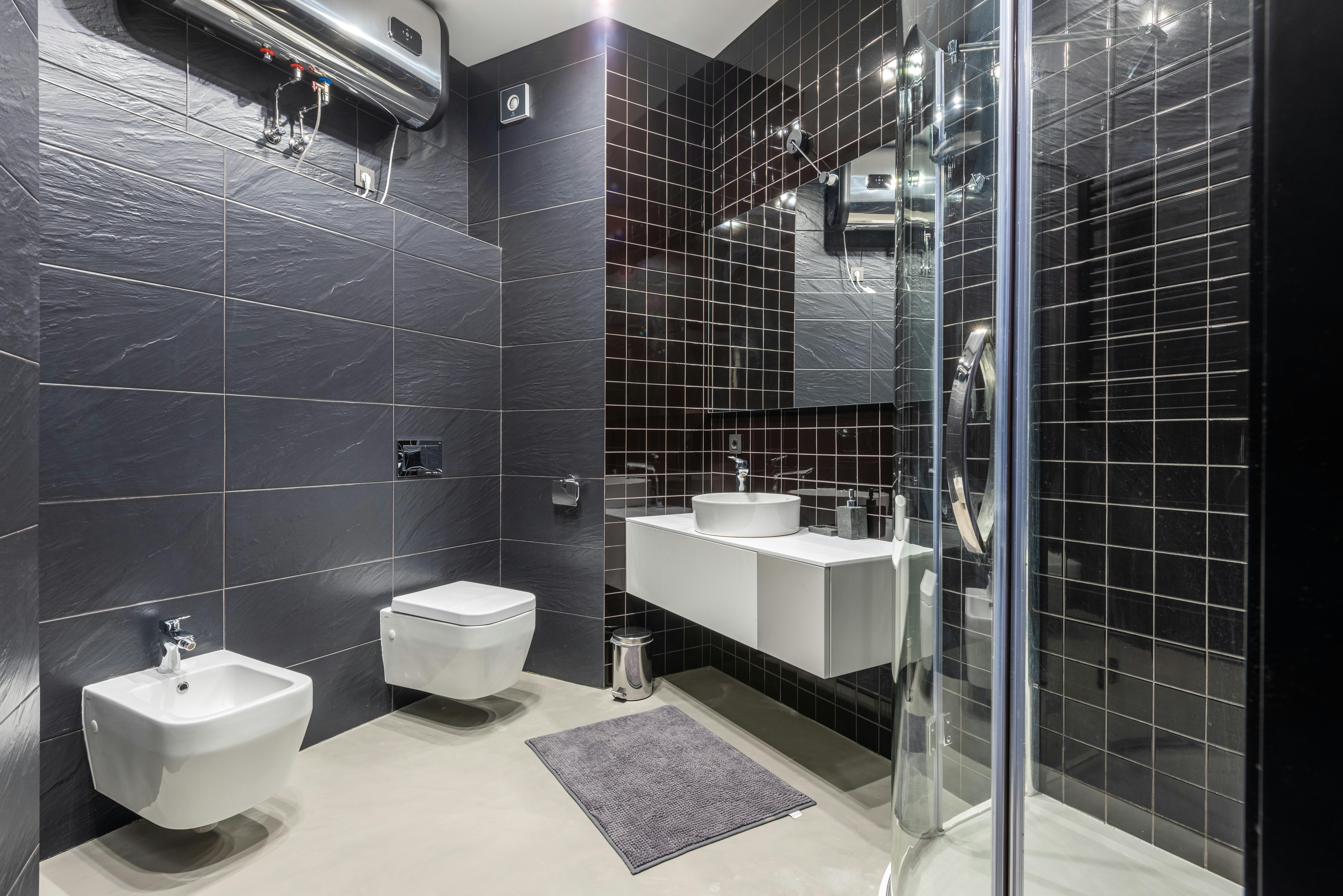

What Kind Of Columbus Home Needs Hot Water?
Choose the description closest to the property. An older house near Midtown, a larger North Columbus home, and a compact unit with the heater buried in a closet can require completely different installation work even when the household wants the same result.
Select the closest home profile
The planning note changes with your selection.
Who Handles Water Heater Installation In Columbus, GA?
Call Elite Service Company when the existing tank is corroding, recovery has slowed, hot water disappears during normal routines, a remodel changes demand, or the current equipment must be replaced without damaging a finished utility area.
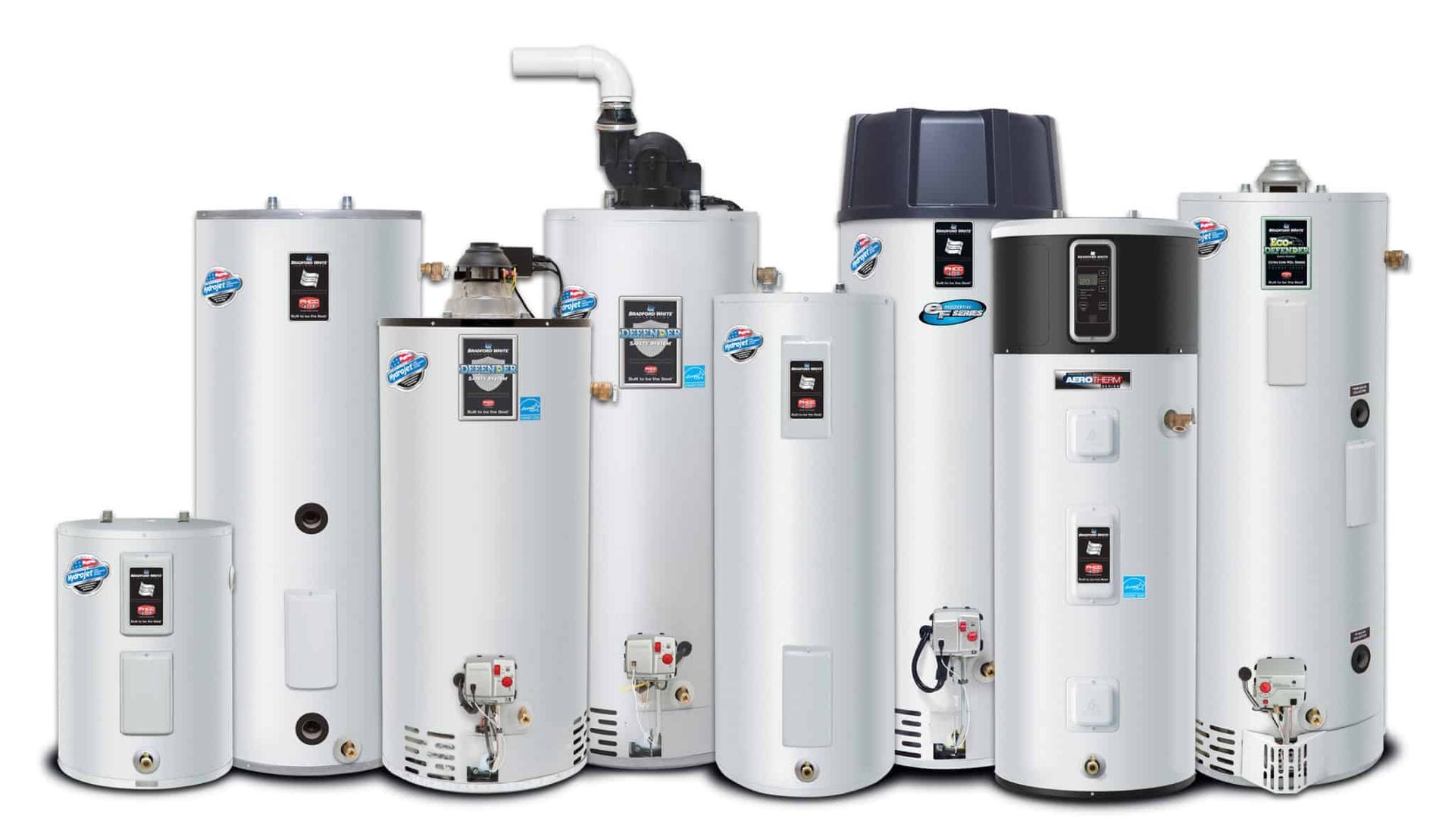
The recommendation should account for the house rather than defaulting to the same gallon size. Elite evaluates storage capacity, tankless flow, heat pump placement, gas or electrical readiness, venting, drainage, fixture distance, and safe access for future maintenance.
Why Water Heater Work Changes Between Midtown, Bibb City, And North Columbus
Columbus has a wide spread of housing ages and floor plans. A heater tucked inside an older Midtown house may be surrounded by finished walls and narrow doors, while a North Columbus replacement may have easier garage access but much higher demand from multiple baths and larger fixtures.
Good installation planning follows the entire path: where the new unit enters, how the old one leaves, where water and energy connections meet the equipment, how safety discharge reaches an approved location, and how quickly heated water reaches the rooms that use it most.
Midtown & Wynnton Homes
Interior utility rooms, older connections, finished flooring, and additions can make protection and routing just as important as the equipment choice.
Bibb City & River-Area Housing
Compact footprints and legacy plumbing paths may call for careful measurement, accessible isolation valves, and a realistic plan for removing the existing tank.
North Columbus Households
More bathrooms, larger tubs, and overlapping morning schedules can shift the conversation toward recovery rate, simultaneous flow, and hot-water delivery time.
A New Water Heater Should Fit The Home, The Utilities, And The Way The Family Uses It
The job is more than setting a tank in place. A complete Columbus installation addresses equipment sizing, removal access, water connections, electrical or gas requirements, venting when applicable, drainage, pressure-related safety components, controls, and performance at the fixtures.
Document The Existing System
The technician records model type, age, fuel or power, tank size, piping, shutoffs, vent route, drain protection, recurring symptoms, and the condition of the surrounding area.
Calculate Real Peak Demand
Sizing uses actual household routines, fixture flow, tub volume, recovery needs, and simultaneous use instead of relying on a bedroom count or a simple like-for-like assumption.
Plan Connection Corrections
Worn valves, undersized conductors, questionable connectors, damaged vent parts, missing supports, or inaccessible controls are identified before they complicate startup.
Control Water-Damage Exposure
Drain pans, discharge routing, visible shutoffs, leak sensors, automatic shutoff options, and floor protection are considered based on where the heater sits.
Address Slow Hot-Water Arrival
When bathrooms are far from the equipment, the plan may include pipe insulation, recirculation discussion, control changes, or a better location rather than simply more capacity.
Test The Finished Installation
Startup includes temperature verification, leak checks, burner or element operation, recovery behavior, safety controls, and confirmation that hot water reaches the key fixtures as expected.
Replace An Aging Water Heater Before A Small Leak Becomes Interior Damage
A planned project gives the homeowner time to compare equipment, correct utility issues, protect the room, and schedule the work. Waiting for a tank to split often removes those choices.
Changes In Hot-Water Performance
- Showers turn lukewarm sooner even though household use has not increased
- Recovery takes noticeably longer after laundry, bathing, or dishwashing
- Water temperature swings between fixtures or changes from one cycle to the next
- Popping, rumbling, or sizzling sounds continue after normal maintenance checks
Warning Signs Around The Equipment
- Moisture, rust staining, or mineral tracks appear below fittings or along the tank shell
- The drain pan is missing, damaged, undersized, or unable to route water away safely
- The shutoff valve is stuck, hidden, or difficult to reach during an emergency
- Flooring, drywall, shelving, or stored belongings would be exposed if the tank released water
Should A Columbus Home Keep A Tank Or Move To Tankless Or Heat Pump Equipment?
The best choice depends on demand, utility capacity, room conditions, venting, available air volume, drain access, service clearance, installation budget, and how long the homeowner expects to stay in the property.
A Like-For-Like Tank Can Be The Right Call When
- The current storage volume handles normal routines and only the old equipment is failing
- The existing location has enough clearance, dependable drainage, and a straightforward removal path
- Available gas, electrical, and venting infrastructure already matches an appropriate new model
- The household values simple operation and a reserve of heated water during short peak periods
- Necessary valve, pan, connector, and shutoff improvements can be completed during the swap
A Different Water Heater Deserves Consideration When
- Repeated cold-water complaints show that current recovery or storage is no longer adequate
- A compact wall-mounted system would recover floor space without sacrificing required service access
- The home has electrical capacity, suitable room conditions, and condensate routing for a heat pump model
- Several fixtures operate together often enough to justify detailed tankless flow calculations
- A renovation, added bathroom, or changed household schedule has altered the original design demand
Local Hot-Water Details Across Columbus, GA
From older neighborhoods east of Uptown to newer homes along Veterans Parkway and River Road, Columbus properties can differ sharply in equipment access, piping distance, finish protection, and household load.
Midtown Finished Interiors
A heater inside conditioned space requires a careful removal route, surface protection, and a dependable plan for containing or routing water.
Bibb City Floor Plans
Smaller rooms and older connection locations can limit replacement dimensions and make accessible valves more important.
Veterans Parkway Growth
Newer housing may offer cleaner utility layouts, but larger bath counts and family schedules still demand accurate recovery or flow sizing.
Manchester Expressway Area
Mixed residential eras mean the installer should verify fuel type, circuit capacity, venting, and drainage instead of assuming nearby homes are identical.
River Road Properties
Longer home footprints and distant suites can create a delivery-delay complaint that needs a piping solution as well as equipment evaluation.
Victory Drive & South Columbus
Utility rooms, garages, and additions can have different access and protection needs, especially when the heater sits near stored belongings or finished walls.
Columbus Water Works Service
Public water reaches the property, but the homeowner-side shutoffs, connectors, pressure conditions, and interior piping still need to be checked at the heater.
Cross-Town Service Access
I-185, major corridors, and neighborhood street layouts affect arrival and equipment handling, so accurate site details help prepare the correct unit and materials.
A Four-Step Water Heater Project With Fewer Surprises On Installation Day
The process is designed to uncover sizing, access, utility, drainage, and distribution issues before the old unit is disconnected.
Explain The Household Routine
Share the number of regular occupants, peak shower periods, large tubs, laundry habits, recent additions, and the fixtures where hot water falls short.
Measure The Room And Utilities
The technician checks equipment dimensions, doorways, stairs, drains, valves, piping, electrical service, gas supply, venting, and service clearance.
Compare Practical Options
The proposal separates required installation work from optional upgrades such as recirculation, leak controls, relocation, or a higher-efficiency system.
Install, Start, And Demonstrate
After removal and connection work, the system is filled or activated, tested for leaks, set to the agreed temperature, and reviewed with the homeowner.
Match The Water Heater To Peak Use, Available Utilities, And The Room It Must Live In
Brand and efficiency matter, but the equipment still has to fit through the door, operate on the available utility service, drain safely, and deliver enough hot water during the busiest part of the day.
Right-Sized Tank Systems
Storage units can be a practical choice when gallon capacity, first-hour rating, recovery rate, footprint, and drain protection are matched to the household.
Tankless & Flow Management
Continuous-flow models must be sized for simultaneous fixtures and expected temperature rise, with gas or electrical capacity verified before installation.
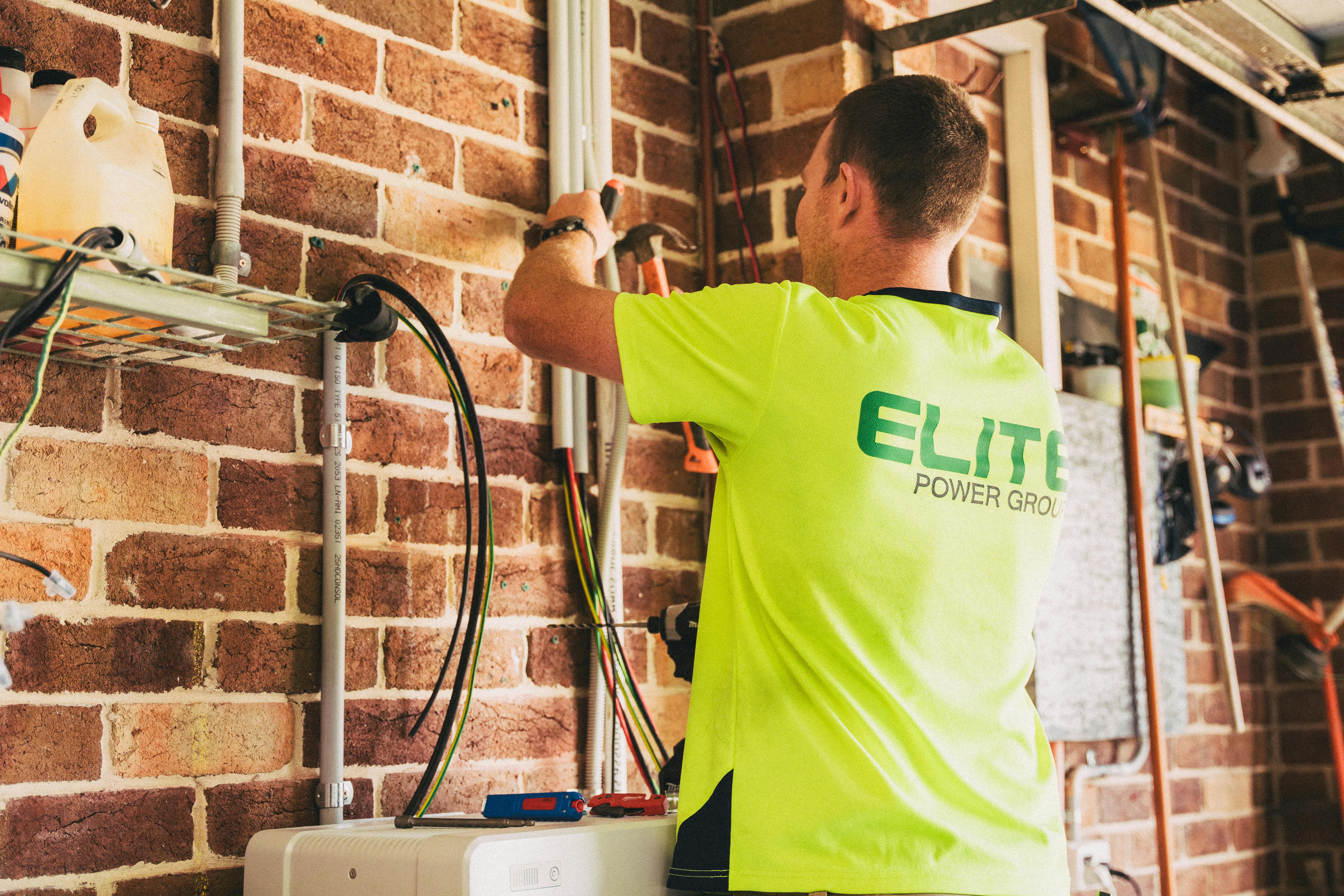
Heat Pump Conversion Readiness
Hybrid units need suitable room air, adequate clearance, a condensate route, an appropriate circuit, and realistic expectations about recovery and operating sound.
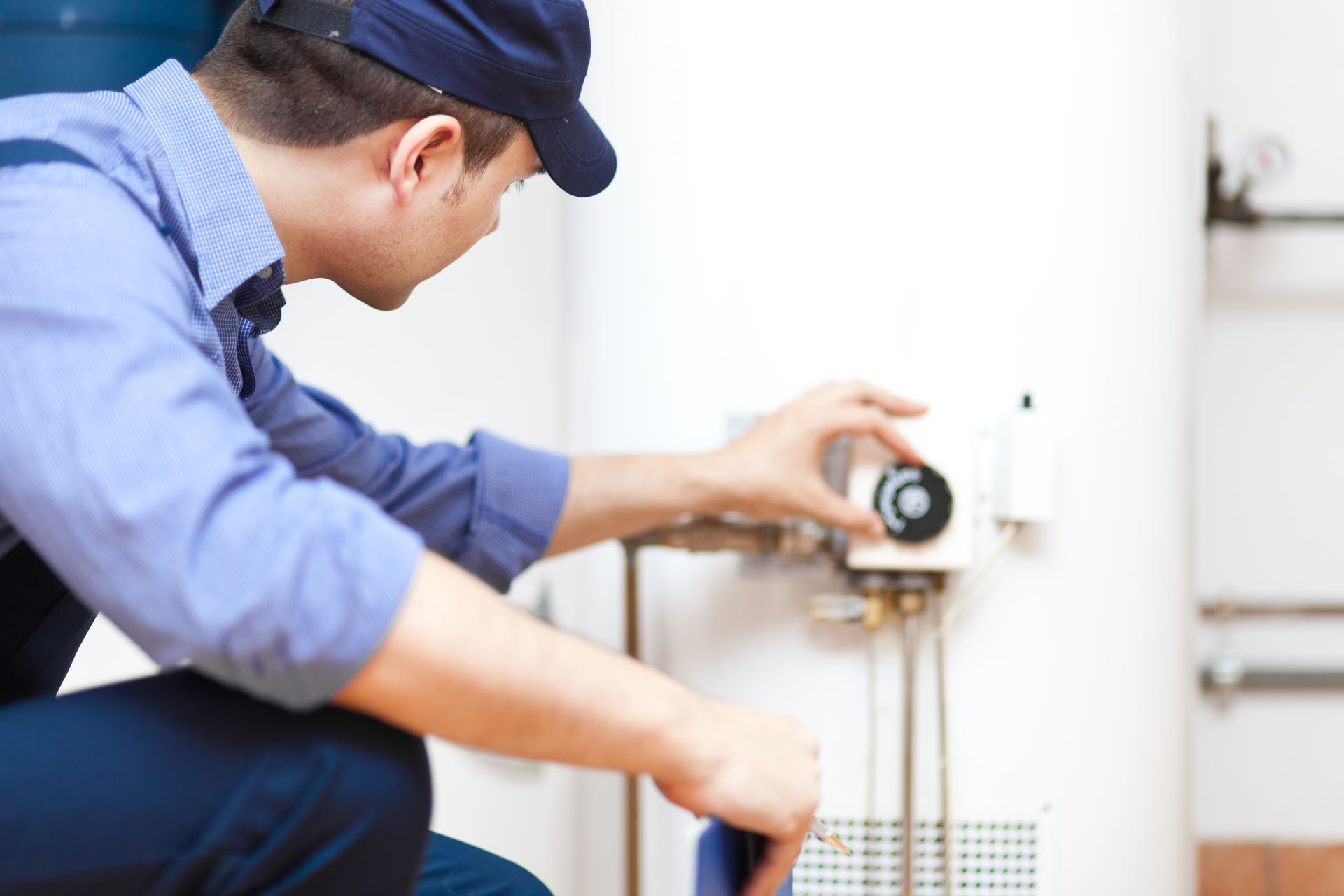
Controls, Shutoffs & Final Setup
The finished system should have understandable settings, reachable isolation, tested safety devices, and a clear maintenance path for future service.
Columbus Water Heater Installation Planned Around The House Instead Of A Generic Equipment Swap
Elite Service Company provides water heater installation, repair, and maintenance in Columbus along with heating, cooling, indoor air quality, boiler, duct sealing, insulation, and commercial HVAC services.
What A Useful Installation Visit Should Clarify
- Whether the complaint is capacity, slow recovery, long delivery time, temperature control, or an active equipment failure
- How doors, stairs, finished rooms, garages, closets, and storage affect removal and placement
- Which gas, electrical, venting, drainage, and piping changes are required for each option
- How the proposed heater will handle the busiest realistic hour in the home
- What the owner needs to know about settings, shutoffs, leak response, and routine care after startup
Service Coverage Across Columbus And Muscogee County
- Installation planning for Midtown, Wynnton, Bibb City, Uptown, North Columbus, and surrounding neighborhoods
- Tank, tankless, and heat pump choices evaluated against the home’s actual utility and space limits
- Repair diagnostics when the current unit may have a serviceable component rather than a leaking tank
- Maintenance support focused on visible leakage, sediment-related symptoms, controls, and declining performance
- Financing resources for replacements that include meaningful electrical, venting, drainage, or protection work
Review The Service Pages That Help Define The Right Appointment
Explore repair, maintenance, replacement, and simple financing options—so you can easily review services and schedule your visit with complete confidence.
Explore Every Water Heater Service
See how installation, troubleshooting, and maintenance differ so the appointment starts with the correct service goal.
Columbus Heating & Cooling Services
Review Elite’s broader heating, air conditioning, indoor air quality, boiler, duct, insulation, and water heater coverage in Columbus.
Check Whether Repair Is Still Sensible
Use the repair page when the issue may be an element, thermostat, burner, valve, control, or connection rather than a failed vessel.
Review Financing Resources
Explore payment options when the project includes equipment plus necessary utility, venting, drainage, or location changes.
Plan Ongoing Water Heater Care
Learn what routine inspection can reveal about corrosion, sediment symptoms, leaks, safety components, and performance loss.
Request A Columbus Appointment
Use Elite’s contact page to share the property address, current equipment, symptoms, access concerns, and preferred scheduling details.
Questions Columbus Homeowners Ask Before Replacing A Water Heater
The right answer depends on household demand, installation location, utility capacity, and the condition of the existing connections. These are common starting points for a Columbus project.
What size water heater does a Columbus family need?
Size should be based on the busiest realistic hour. For a tank, compare storage and first-hour delivery. For tankless equipment, total the flow of fixtures likely to run together and apply the expected temperature rise. Bath count alone can undersize or oversize the system.
Can Elite replace a water heater inside an older Midtown home?
Yes, when the equipment and access can be planned safely. The visit should measure doors and stairs, inspect the room, verify venting or electrical service, review drainage, protect finished surfaces, and confirm that the replacement can be maintained after installation.
Why does hot water take so long to reach an upstairs or distant bathroom?
The delay usually reflects the volume of cooled water sitting in the piping between the heater and fixture. A larger heater may not shorten that wait. Pipe insulation, recirculation, fixture placement, or a different equipment location may be more relevant.
Is tankless a good choice for a home with several bathrooms?
It can be, but only after simultaneous demand is calculated. The unit must cover the combined flow of showers and other fixtures at the required temperature rise, and the gas line, venting, electrical supply, condensate path, and service clearances must support it.
What should be replaced besides the water heater itself?
The scope may include worn shutoffs, connectors, vent components, drain pans, discharge piping, supports, electrical protection, gas fittings, expansion control, or damaged nearby piping. The needed items depend on what the inspection finds.
Could a heat pump water heater work in a Columbus garage?
Possibly. The garage must provide the manufacturer-required air volume and temperature range, adequate clearance, a condensate drain route, the correct circuit, and enough recovery for the household. Cooling and dehumidifying the surrounding air may also affect placement.
How can I reduce damage risk if the heater is inside the house?
Start with a sound drain pan and discharge route where practical, visible shutoffs, protected connections, and a plan for noticing leaks. Water sensors or automatic shutoff controls may add protection when the equipment sits near finished floors or living space.
Does Elite Service Company install water heaters throughout Columbus, GA?
Yes. Elite Service Company provides water heater installation for Columbus and Muscogee County properties, including older city homes, compact utility spaces, larger family houses, and projects requiring tank, tankless, or heat pump planning.
Plan The Columbus Water Heater Before The Old One Forces An Emergency Decision
Schedule an evaluation while there is time to measure access, compare capacity, correct weak connections, and choose leak protection that fits the room.
Need More Dependable Hot Water At Your Columbus, GA Home?
Call Elite Service Company for a Columbus installation plan that covers tank or tankless sizing, heat pump readiness, utility work, safe drainage, access, hot-water delivery, and final startup testing.