
AC Installation Services
Auburn, AL
Elite Service Company installs central air conditioners, heat pumps, and ductless systems for Auburn homes and businesses that need steadier cooling, lower operating strain, better humidity removal, or equipment matched to a changed floor plan. Installation planning can account for older properties near the city center, rental housing with changing occupancy, two-story homes near East University Drive, newer neighborhoods around Moores Mill Road, and commercial spaces along Auburn’s major corridors.
Auburn cooling loads are not determined by floor area alone. Window exposure, attic insulation, duct leakage, return-air capacity, ceiling height, occupancy, equipment location, business hours, and shaded versus sun-exposed walls all affect the system that should be installed.
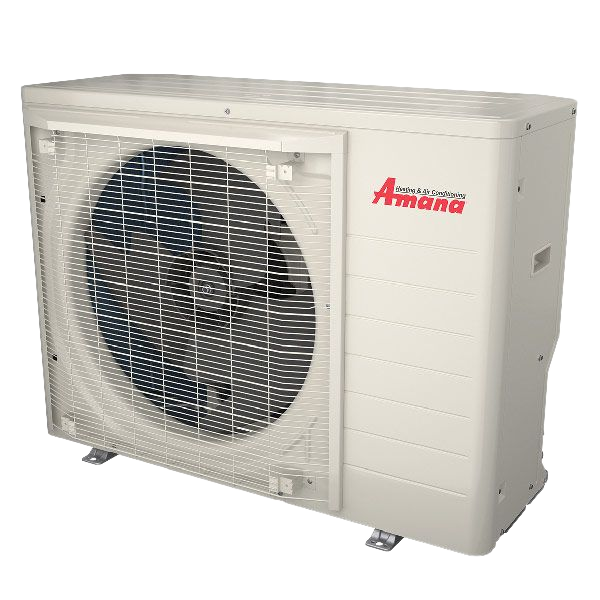
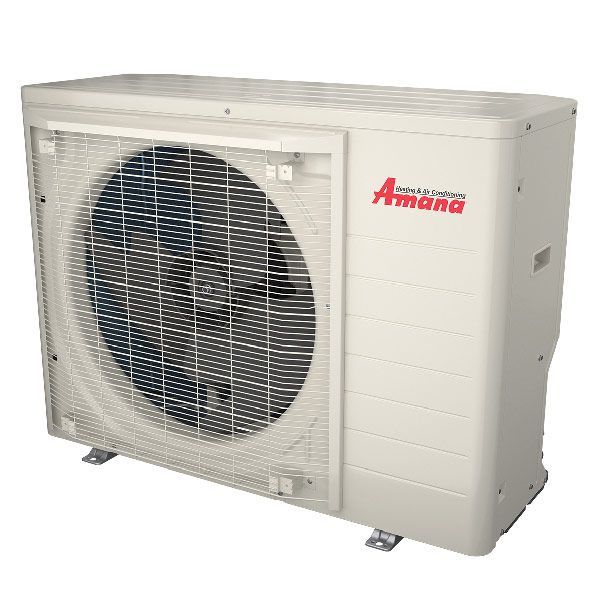
What Is Driving The Need For A New Auburn Cooling System?
Select the condition closest to the property. In Auburn, an aging unit, changing occupancy, a hot second floor, or a renovated room can point to very different sizing and ductwork decisions.
Choose the main installation concern
The planning note changes instantly.
Who Should Property Owners Hire For AC Installation In Auburn, AL?
Hire Elite Service Company when an Auburn property needs a properly selected central air conditioner, heat pump, ductless system, thermostat, or coordinated indoor-and-outdoor equipment replacement. The installation should begin with measured conditions and a clear scope, not simply the model number on the old condenser.
Auburn includes established homes, student-oriented rentals, newer subdivisions, offices, shops, and buildings with changing schedules. Those differences make load calculation, duct inspection, return sizing, humidity performance, access, and control strategy central to the recommendation.
Why Auburn AC Installation Must Account For Occupancy Swings, Long Cooling Seasons, And Uneven Solar Load
An owner-occupied house with a steady routine does not behave like a rental that fills and empties on a school calendar, and a shaded established lot does not carry the same afternoon load as an open newer subdivision. Kitchens, electronics, upstairs bedrooms, bonus rooms, storefront glass, and extended operating hours can all change peak demand.
A sound plan measures room-by-room load, checks whether the supply and return system can move the required air, confirms electrical and drainage readiness, and chooses equipment that can control moisture without oversized short cycling during Auburn’s humid weather.
Mixed Occupancy Patterns
Homes, rentals, offices, and small commercial spaces may have very different schedules, internal heat, thermostat use, and ventilation needs.
Shade Versus Afternoon Sun
Mature tree cover can reduce solar gain, while west-facing glass and open lots can make upper rooms and front offices harder to cool.
Second Floors And Additions
Bonus rooms, enclosed porches, garage conversions, and upstairs zones often expose duct, return-air, and load problems that tonnage alone will not fix.
A Complete Installation Connects Equipment Selection To The Property Around It
The outdoor unit is only one part of the job. Capacity, indoor equipment, ducts, line set, electrical protection, drainage, controls, equipment clearances, commissioning, and owner training must work together for dependable cooling.
Load And Use Analysis
The calculation considers conditioned area, insulation, windows, orientation, ceiling height, occupancy, internal heat, air leakage, and rooms that miss the setpoint.
Matched System Selection
Outdoor equipment, coils or air handlers, heat strips, metering components, refrigerant requirements, controls, and efficiency ratings are selected as one compatible system.
Duct And Return Evaluation
Supply trunks, branch runs, return paths, grille sizes, leakage, insulation, transitions, static pressure, and balance are reviewed before new capacity is ordered.
Condensate And Equipment Setup
Drain slope, traps, float protection, secondary containment, equipment pads, line routing, service access, and surrounding finishes are addressed in the scope.
Thermostats And Controls
Staging, heat-pump settings, auxiliary heat, zoning, sensors, low-voltage wiring, setbacks, and access permissions are configured for the building and its users.
Commissioning And Walkthrough
Airflow, temperature change, electrical readings, refrigerant performance, drains, safety devices, controls, filters, and operating instructions are checked before handoff.
Signs An Auburn Property May Be Ready For New Cooling Equipment
A single failed component does not automatically justify replacement. The stronger signal is a pattern of reliability, moisture, comfort, or operating problems that remains after reasonable maintenance and repairs.
Comfort And Moisture Problems
- Upstairs bedrooms, bonus rooms, or occupied offices stay warm after basic airflow restrictions are corrected
- The system reaches temperature briefly but leaves the building sticky or clammy
- Cooling cycles become excessively long on ordinary hot days without providing even comfort
- Utility use rises while filters, thermostat settings, and occupancy remain comparable
Equipment And Property Changes
- Major components are aging, mismatched, noisy, or failing repeatedly during the same cooling season
- A renovation, enclosure, tenant change, or added equipment increased the building load
- The existing refrigerant, electrical condition, or repair history weakens the value of another major repair
- Duct corrections, controls, drainage, and indoor equipment now need to be coordinated as one project
Should You Repair The Existing Unit Or Plan A New Auburn AC Installation?
Compare more than the next repair invoice. Equipment age, failure history, refrigerant, airflow, duct condition, electrical readiness, moisture control, energy use, ownership plans, and the property’s current load determine which direction is financially and mechanically sound.
Repair May Still Be Sensible When
- The system is relatively recent and its indoor and outdoor components remain properly matched
- The failure is isolated, diagnosable, and not part of a repeating pattern
- Airflow and humidity performance return to normal after the repair
- The duct system, drain, electrical circuit, and controls remain capable of supporting the equipment
- Expected ownership or lease plans do not justify a broader comfort upgrade yet
Installation Deserves A Serious Comparison When
- Breakdowns are recurring during Auburn’s extended warm-weather demand
- The compressor, coil, blower, or other major assemblies are deteriorating together
- Hot zones, moisture, noise, or operating cost continue despite completed service
- A remodel or use change means the old capacity no longer fits the property
- GoodLeap financing, available equipment choices, and long-term operating priorities improve the replacement case
Installation Details That Matter In Auburn, AL
Auburn installations need to account for humid summers, college-town occupancy changes, established tree cover, open newer lots, hot attic spaces, mixed residential and commercial schedules, and the mechanical details that determine whether new equipment performs as specified.
Lee County Humidity
Stable run time and appropriate latent capacity help remove moisture instead of producing quick temperature drops followed by clammy rooms.
University-Area Occupancy
Changing residents, packed schedules, guest loads, and thermostat habits can shift demand and make clear controls and filter access important.
Established Tree Cover
Shade can lower wall and window load, but leaves, debris, tight side yards, and root zones can affect condenser location and service clearance.
Newer Subdivision Loads
High ceilings, open plans, large windows, second stories, and bonus rooms need room-level calculations rather than an assumed whole-house average.
Attic Duct Exposure
Air handlers and ducts above the ceiling need sealing, insulation, supported runs, accessible drains, and airflow verification in intense attic heat.
Rental Turnover
Durable controls, straightforward filter access, documented settings, and a clear owner handoff can reduce confusion when occupants change.
Commercial Operating Hours
Offices and customer-facing spaces may need scheduling, ventilation, zoning, and internal-load planning that residential sizing rules do not capture.
Storm And Power Stress
Disconnects, grounding, breaker condition, surge considerations, and correct startup procedures matter where summer storms interrupt service.
A Clear Path From Comfort Complaint To Commissioned AC System
Owners should be able to trace every recommendation back to a measured load, existing condition, operating need, or requested comfort improvement. The proposal should explain what is included before equipment arrives.
Document The Property
Elite reviews current symptoms, equipment history, occupancy, floor plan, insulation, windows, ducts, electrical service, drains, access, and comfort priorities.
Build The Installation Scope
The recommendation connects calculated capacity, system type, matched components, efficiency, controls, accessories, corrections, and financing choices.
Set, Connect, And Test
The installation team positions equipment, completes mechanical and electrical connections, establishes drainage, verifies charge and airflow, and tests controls.
Hand Off A Usable System
The owner receives filter guidance, thermostat instructions, maintenance expectations, equipment documentation, and answers for household members, tenants, or staff.
Compare System Types By Load, Building Use, Humidity Performance, And Ownership Goals
Model numbers matter less than fit. Compare capacity, SEER2 performance, staging, sound, electrical requirements, heat source, control options, service access, moisture removal, manufacturer documentation, and the way the property will actually be occupied.
Central Air Conditioners
A practical whole-building option when existing or corrected ductwork can deliver the required supply and return airflow.
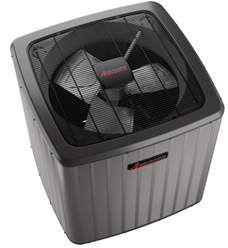
Heat Pump Systems
Cooling and electric heating in one matched system for owners comparing year-round operation and backup-heat requirements.
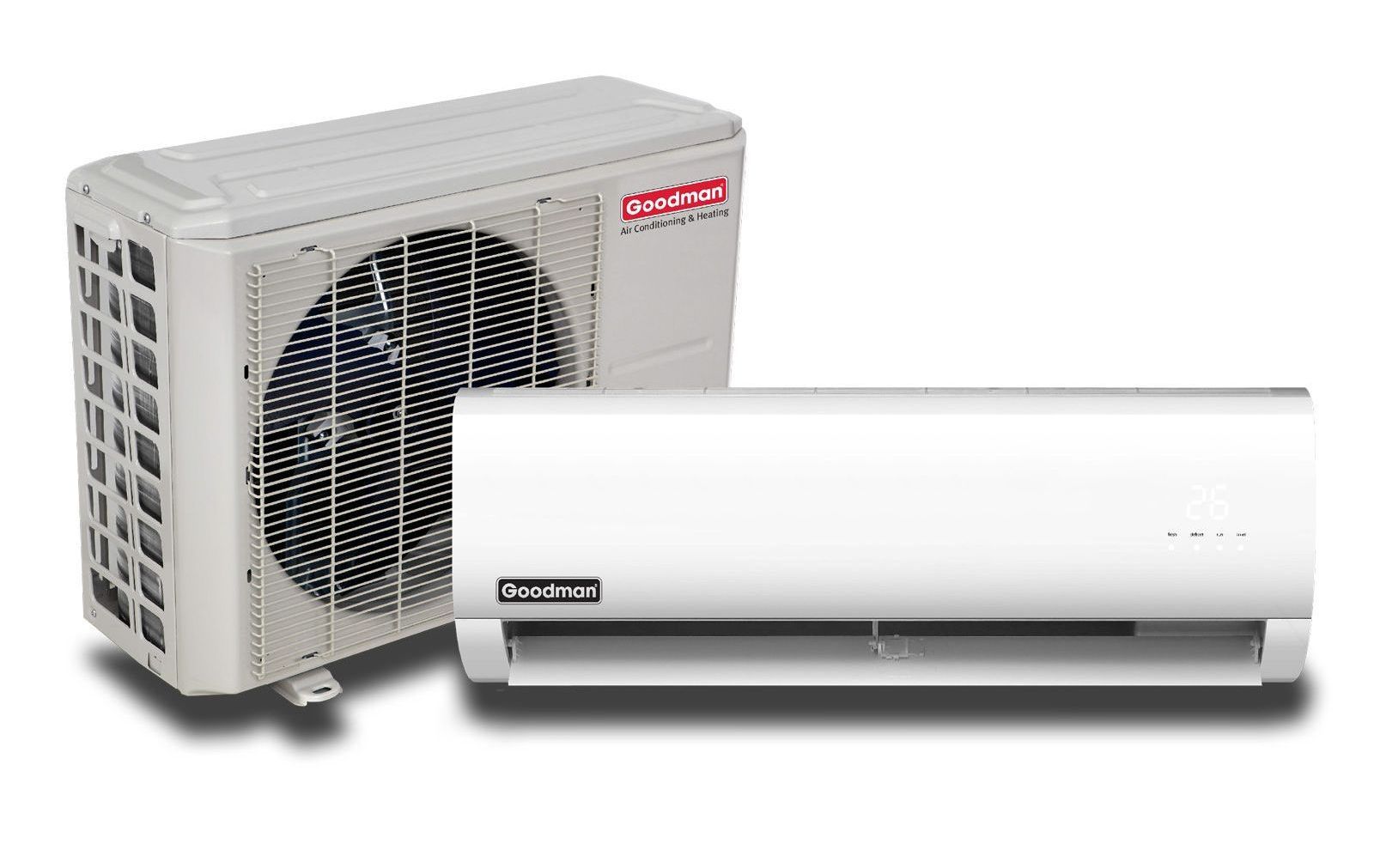
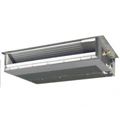
Ductless Equipment
Targeted comfort for additions, converted rooms, offices, detached spaces, or zones where new full-size ducts would be disruptive.
Controls And Airflow Upgrades
Zoning, thermostats, filtration, surge protection, duct sealing, return improvements, and indoor air quality options coordinated with the equipment.
Professional Auburn AC Installation That Starts With Measured Conditions Instead Of A Fast Tonnage Guess
Elite Service Company is a locally owned and operated small business based in Ellerslie. The company supports Auburn homes and businesses with cooling, heating, indoor air quality, duct sealing, attic insulation, maintenance, 24/7 emergency service, water heaters, boilers, and GoodLeap financing for qualifying customers.
What Auburn Owners Should Expect
- Recommendations tied to calculated load, airflow, humidity, occupancy, and real room-level complaints
- Indoor equipment, outdoor equipment, ducts, controls, electrical work, drainage, and access reviewed together
- Plain-language equipment and scope comparisons before installation begins
- Duct, thermostat, filtration, insulation, and air quality options explained only when they support the project
- Maintenance and emergency-service support available after the new system is operating
Auburn Installation Capabilities
- Central AC, heat pump, ductless, thermostat, and coordinated matched-system installation
- Planning for houses, rental properties, home offices, shops, offices, and other supported commercial spaces
- Cooling recommendations that account for Lee County weather and changing building use
- GoodLeap financing options for qualifying customers with no origination or prepayment fees
- Broader HVAC support when ducts, indoor air quality, insulation, heating, boilers, or water heaters are part of the property plan
AC Installation Resources For Auburn Property Owners
A replacement decision can involve equipment type, duct condition, controls, indoor air quality, financing, and future maintenance. These Elite pages provide supported next steps without sending owners to unapproved city or service URLs.
Air Conditioning Services
Review Elite’s cooling support for installation, repair, and maintenance before deciding the scope of a new system.
Columbus-Area HVAC Services
Use Elite’s Columbus-area service hub to review cooling, heating, ducts, insulation, indoor air quality, water heaters, boilers, and commercial HVAC.
HVAC Equipment
Compare central AC, heat pump, ductless, and comfort-equipment categories that may fit the calculated Auburn load.
GoodLeap Financing
Review flexible financing resources for qualifying customers considering a complete cooling-system investment.
Pre-Visit Troubleshooting
Record current symptoms, thermostat behavior, hot rooms, unusual sounds, and equipment history before the installation consultation.
Contact Elite
Use Elite’s published contact information to discuss the Auburn property, system age, access, occupancy, and requested comfort improvements.
Common Questions About Installing AC Equipment In Auburn
These answers cover sizing, rental and commercial use, ductwork, humidity, heat pumps, financing, preparation, and maintenance without promising a price or timeline before the property is evaluated.
How is the right AC size determined for an Auburn house?
A load calculation should account for insulation, windows, orientation, leakage, ceiling height, occupancy, internal heat, and duct capacity. Using square footage or copying the old unit can create short cycling, high humidity, noise, or hot rooms.
Does a rental property need a different installation plan?
The equipment may be similar, but filter access, thermostat control, durability, owner documentation, occupancy swings, and responsibility for maintenance deserve extra attention. The load still has to be calculated from the building itself.
Should duct problems be fixed before new equipment is installed?
Yes when leakage, crushed runs, undersized returns, poor insulation, or high static pressure would keep the new system from moving air correctly. The scope may involve targeted correction rather than replacing every duct.
Can an oversized AC make an Auburn building feel humid?
It can. Equipment that satisfies the thermostat too quickly may not run long enough to remove enough moisture. Airflow, staging, thermostat settings, duct performance, and actual load all influence humidity control.
Is a heat pump a practical option for Auburn?
A heat pump can provide both cooling and electric heating. The decision should compare the current heat source, electrical capacity, backup heat, comfort priorities, operating preferences, and the matched equipment available for the calculated load.
What affects the cost of an AC installation?
Capacity, equipment type, efficiency, indoor and outdoor components, duct corrections, line-set condition, controls, electrical work, drainage, access, zoning, filtration, and permitting needs can all affect scope. An evaluation is needed before pricing is meaningful.
How does GoodLeap financing work for qualifying customers?
Elite offers financing solutions through GoodLeap for qualifying customers. The project information supports no origination or prepayment fees, but approval, available plans, payment terms, and other details should be reviewed through the financing process.
What maintenance should follow a new Auburn AC installation?
Routine service should review filters, coils, airflow, drains, electrical readings, refrigerant performance, controls, and outdoor-unit condition. Maintenance helps confirm the system continues operating as commissioned through heavy cooling demand.
Call Elite Before Selecting Equipment For An Auburn Home Or Business
A useful proposal should connect load, ductwork, electrical capacity, drainage, controls, occupancy, humidity goals, and startup testing. Do not let the old nameplate make every decision for the new system.
Need A Better-Fitting AC System For Your Auburn, AL Property?
Call Elite Service Company when an Auburn house or business needs more reliable cooling, better moisture control, improved airflow, a replacement for failing equipment, or a system recalculated for renovations and changing occupancy.