5 Warning Signs of an Indoor Air Quality Emergency in Seale Homes
5 Warning Signs of an Indoor Air Quality Emergency in Seale Homes
Homeowners in Seale, AL, are no strangers to the heavy, oppressive humidity that defines Russell County summers. However, there is a significant difference between a muggy afternoon and a genuine indoor air quality (IAQ) emergency. When the air inside your home suddenly becomes a trigger for respiratory distress, or a mysterious locker room smell permeates your living room, you aren't just dealing with a comfort issue; you are facing an environmental crisis.
In this guide, we will break down how to identify a sudden IAQ failure, the specific environmental factors in East Alabama that accelerate these problems, and the immediate steps you must take to protect your family’s health. We will explore everything from rapid mold colonization after a storm to the dangers of backdrafting appliances, ensuring you know exactly when to DIY and when to call in the professionals.
What Defines an Indoor Air Quality Emergency?
Most homeowners think of air quality as a long-term concern, like radon or seasonal dust. An IAQ emergency, however, is acute. It is defined by a sudden spike in pollutants that causes immediate physical symptoms or poses a risk of permanent structural damage to your property.
In our region, these emergencies often stem from the intersection of high heat and moisture. When your HVAC system, which acts as the lungs of your home, fails to properly dehumidify or begins to circulate contaminants, the air quality can plummet from good to hazardous in less than 48 hours.
What is an indoor air quality emergency?
An indoor air quality emergency occurs when pollutants like mold spores, carbon monoxide, or volatile organic compounds (VOCs) reach high concentrations, causing acute health symptoms. In Seale, AL, these are frequently triggered by HVAC drainage failures, sudden mold growth after heavy rain, or malfunctioning gas appliances.
Signs Your Seale Home Has a Sudden Air Quality Crisis
Identifying the problem is the first step toward restoration. Because air pollutants are often invisible, you must rely on your senses and the physical reactions of your family members.
1. The Basement Smell in Main Living Areas
If you notice a sharp, musty odor that persists even when the windows are closed, you likely have active mold growth. In the Seale area, this often happens inside the ductwork or behind drywall following a localized plumbing leak.
2. Sudden Physical Symptoms
Are you experiencing unexplained headaches, watery eyes, or brain fog that only occurs when you are inside? If these symptoms dissipate within thirty minutes of leaving your house, your home is likely suffering from a chemical or biological spike.
3. Visible Condensation and High Humidity
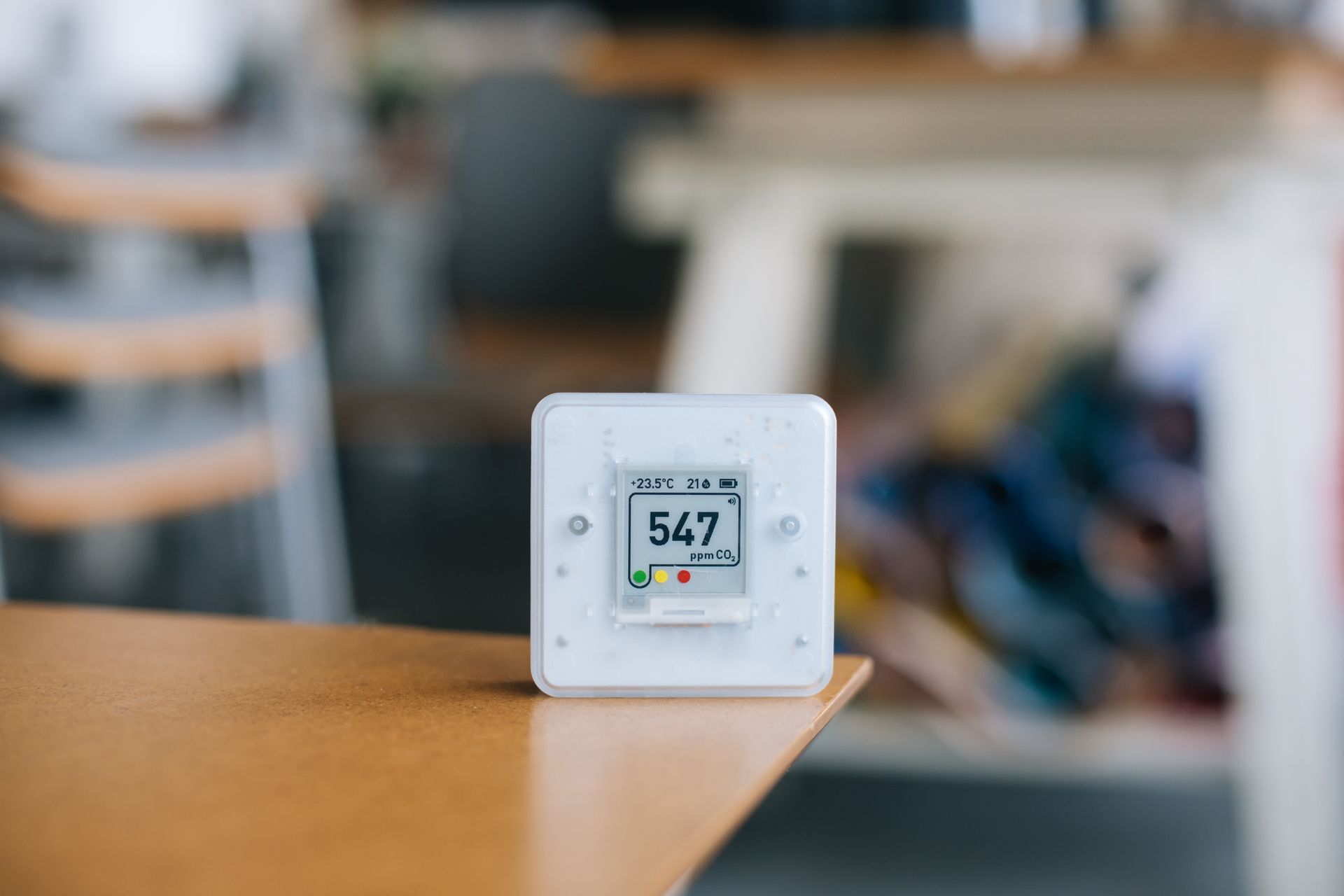
If your indoor humidity monitor (hygrometer) reads above 60% consistently, or if you see water pooling on the inside of your window panes, you are in an emergency state. This level of moisture allows dust mites and mold to thrive at an exponential rate.
Common Causes of IAQ Emergencies in Alabama
Our local climate plays a massive role in how air quality fails. Understanding the why helps in preventing future occurrences.
- AC Condensate Blockages: This is perhaps the most common emergency we see in Seale. When the drain line clogs, the standing water in the drain pan becomes a petri dish. The blower then sends those spores through every vent in the house.
- Pesticide and Chemical Off-Gassing: Many Russell County residents store lawn chemicals or gasoline in attached garages. If the seal between the garage and the home is compromised, or if the HVAC returns are leaking, these toxins are pulled into your breathing air.
- Post-Storm Moisture Surges: After heavy Alabama thunderstorms, the soil saturation around your foundation can lead to vapor drive, where moisture is pushed through the floor, spiking humidity levels instantly.
Emergency Solutions: How to Restore Your Air
If you are in the middle of a crisis, the goal is stabilization. Here is how professional restoration works:
- Source Control: We first identify the source, be it a dead animal in the ductwork, a mold colony, or a gas leak, and isolate it.
- Air Scrubbing: We deploy industrial HEPA air scrubbers. These machines cycle the air in a room up to 6 times per hour, trapping particles as small as 0.3 microns.
- Dehumidification: We use LGR (Low Grain Refrigerant) dehumidifiers to pull gallons of water out of the air, drying out the environment so mold can no longer survive.
Cost Considerations for Seale Homeowners
Addressing an IAQ emergency early is significantly cheaper than waiting. A diagnostic visit and air testing in Seale typically cost between $250 and $500. If the issue requires professional air scrubbing or UV light installation to kill biological growth, costs can range from $800 to $2,500. While this is an investment, it is a fraction of the cost of full-scale mold remediation or the medical bills associated with chronic respiratory issues.
When to Call a Professional
You should contact a specialist immediately if you see black dust or spotting around your AC vents. If your carbon monoxide detector has chirped or alerted, or if family members with asthma are experiencing increased attacks, professional help is required. Additionally, a recent fishy or burning smell coming from your electrical outlets or HVAC unit is a major red flag. If your system shows signs of failure, professionalindoor air quality service may be the best solution.
Local Service in Seale: Housing and Climate Context
Seale homeowners often live in homes with crawlspaces or on large wooded lots where organic debris is high. Many of the older homes near the heart of Seale were not built with the airtight envelopes of modern construction, meaning they breathe in the humid Alabama air more than they should. Conversely, newer builds in the region are often too tight, trapping pollutants inside. We specialize in balancing these unique local factors to ensure your home remains a sanctuary. If you need immediate assistance, our emergency HVAC repair team is ready to respond.
Authority Section
Elite Service Company is a locally operated leader in Seale, AL. Our technicians are NATE-certified and have undergone specialized training in indoor environmental health. We utilize medical-grade testing equipment to provide you with data-driven results, not guesswork. With decades of experience in the Russell County area, we are the trusted name for homeowners who refuse to compromise on their family’s health. We invite you to learn more about the benefits of whole-home air purifiers to protect your property.
CTA Section: Schedule Your Emergency IAQ Assessment in Seale
If your home’s air feels unsafe or smells suspicious, don’t wait for the problem to resolve itself. Our team provides rapid-response indoor air quality services throughout Seale and the surrounding areas. Contact us via our contact page today to breathe easier tomorrow.
Quick Answers for Seale Homeowners (FAQ)
Is mold in my vents considered an emergency?
Yes. If you see visible mold growth on or around your HVAC vents, it means spores are being actively distributed throughout your home every time the fan runs. In the humid Seale climate, this can lead to a full-house contamination very quickly and should be addressed by a professional immediately.
Can poor air quality cause immediate headaches?
Absolutely. High levels of Carbon Dioxide (CO2), VOCs from new carpets, or even a small gas leak can cause Sick Building Syndrome, where occupants experience acute headaches, dizziness, and nausea that only occur while inside the home.
Will a standard 1-inch filter fix an IAQ emergency?
No. Standard filters are designed to protect the HVAC equipment from large dust bunnies, not to purify the air for human health. During an emergency, you need high-efficiency filtration (MERV 13 or higher) or an active air purification system like a REME HALO.
What should I do if I smell gas or chemicals?
First, evacuate the home and ensure everyone is safe. Open windows only if it is safe to do so, and call a professional to perform a leak detection test. Do not ignore chemical smells, as they can indicate hazardous off-gassing that can damage your lungs over time.
How do I test the air in my Seale home?
Professional testing involves taking air samples that are analyzed in a lab to identify specific spore counts and chemical concentrations. We also use real-time monitors to check for humidity, particulates, and CO2 levels to give you an immediate snapshot of your home's health.
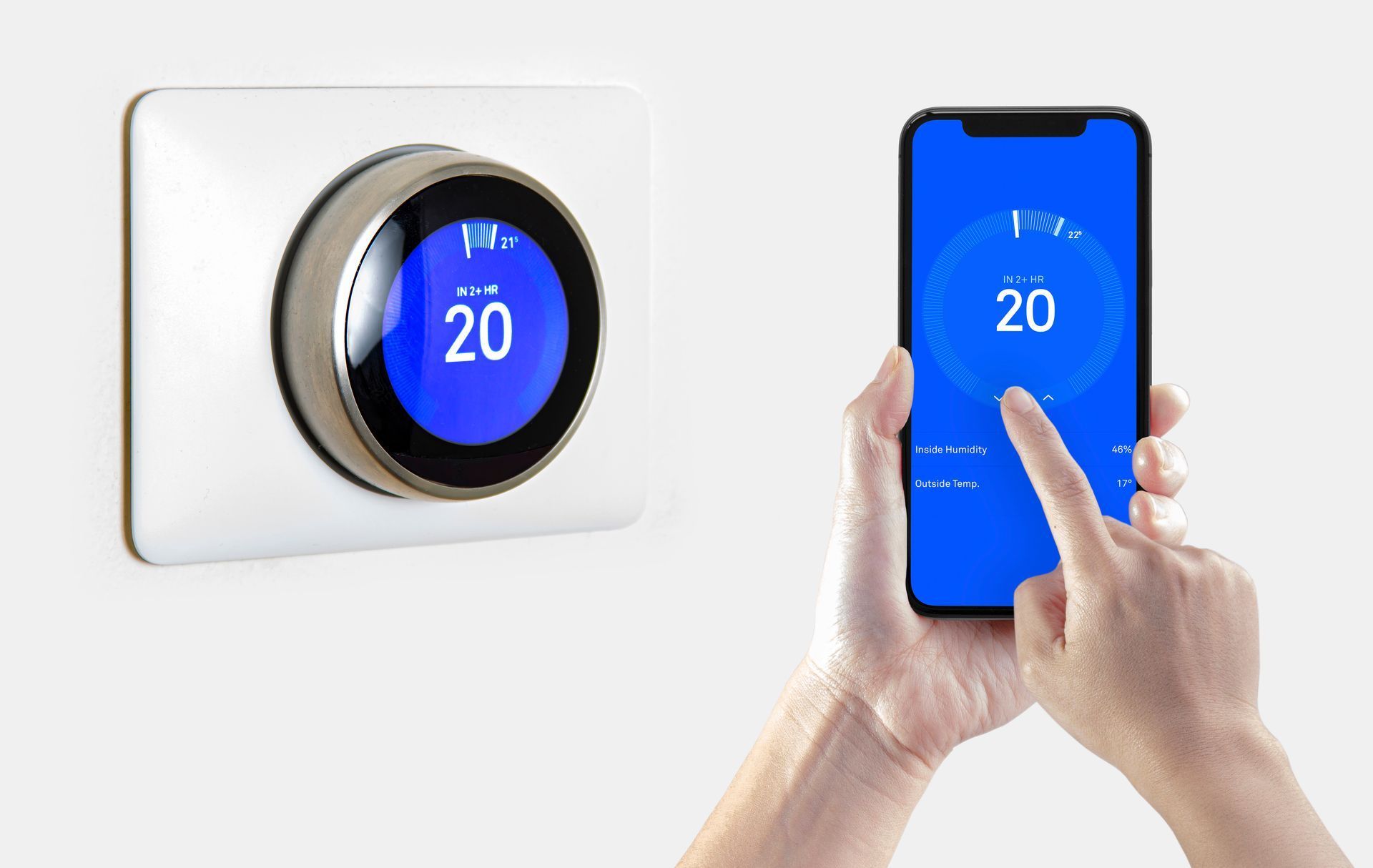
Thermostats and Zone Systems in Smiths Station, AL: Stop Guessing and Start Controlling Your Comfort